Part 1 Gave You Animals. Part 2 Gives You Colors.
If you read Part 1 of this series, you walked away knowing inu (dog), kakashi (scarecrow), itachi (weasel), and ichigo (strawberry). Every word attached to a face you already know.
Part 2 goes wider. The One Piece cast alone contains five of the six basic Japanese color words, hidden in the names of characters you have been watching for years. Add Sailor Moon, My Hero Academia, and Demon Slayer, and you pick up wave, thunder, rabbit, tea, lie, and the root word of ninja.
Same rule as before: every word on this list sounds like the character's name. No kanji breakdown required. Just recognition.
Key Takeaways
- Aka (赤) = red, ao (青) = blue/green, ki (黄) = yellow, shiro (白) = white, kuro (黒) = black - all five colors are in One Piece character names
- Nami (波) = wave - Nami from One Piece and The Great Wave off Kanagawa use the exact same word
- Uso (嘘) = lie - Usopp's name starts with the Japanese word for lie; uso! is something Japanese people say every day
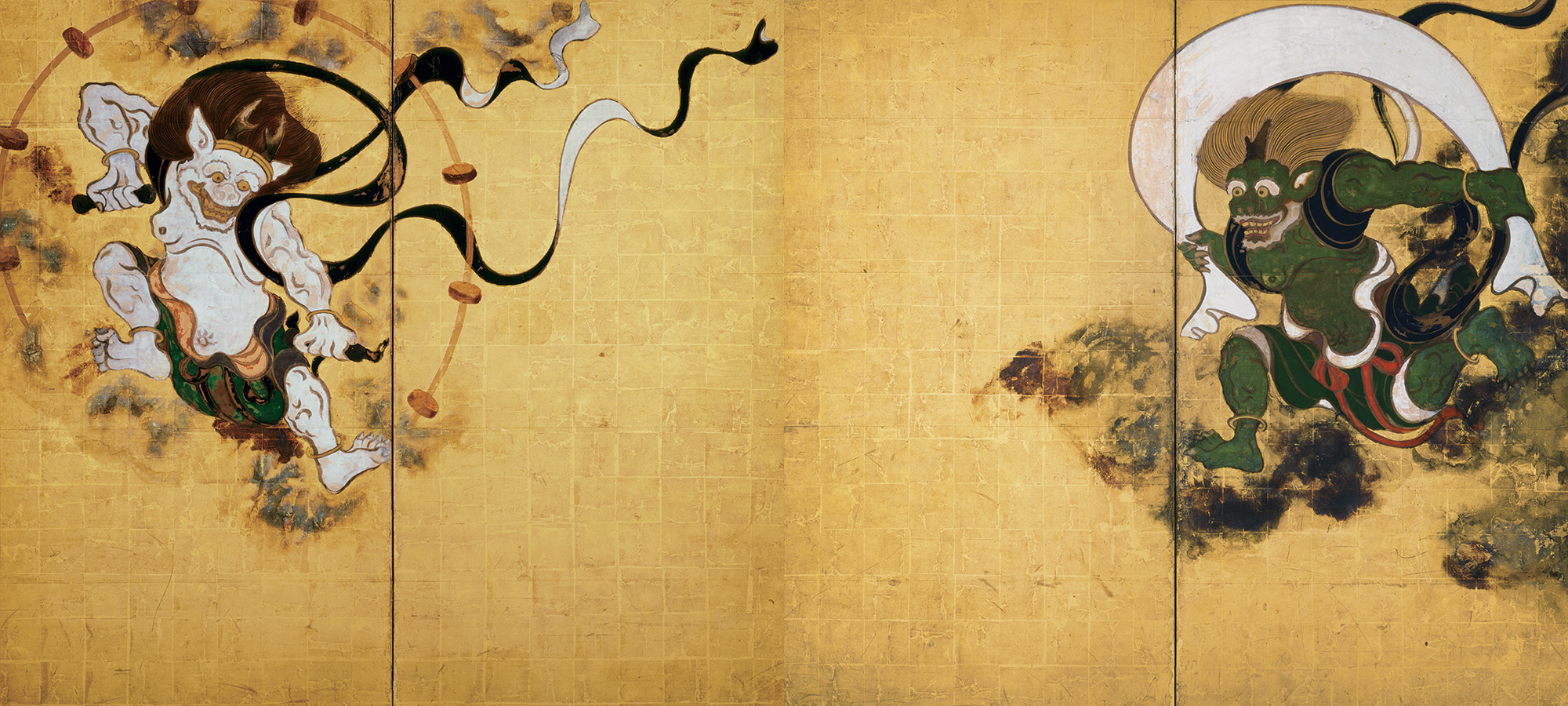
- Kaminari (雷) = thunder - Kaminari Denki from MHA is literally named Thunder, same word as the Shinto thunder god Raijin
- Usagi (うさぎ) = rabbit - Sailor Moon's real name means moon rabbit, referencing a real Japanese folk belief about the moon
- Chibi (ちび) = small/tiny - you already know this word from anime fandom; now you know it is everyday Japanese
- Shinobu (忍) = to endure and conceal - this word is the direct root of both shinobi and ninja
The three admirals at Marineford. Red, blue, yellow. Their color names visible in one scene:
One Piece Is a Color Vocabulary Class
This is the densest single vocabulary drop in all of anime.
The three Marine admirals each have a name built from a color plus an animal. Once you see the pattern, you cannot unsee it.
赤犬 (Akainu) = aka (赤, red) + inu (犬, dog). Red Dog. If you read Part 1, you already know inu = dog from Inuyasha. Akainu gives you aka = red on top of it. The same character name teaches you two vocabulary words across two articles.
青雉 (Aokiji) = ao (青, blue/green) + kiji (雉, pheasant). Blue Pheasant. Ao is one of the most important color words in Japanese because it covers both blue and green depending on context - traffic lights, green tea, even the Blue period in art are all ao in Japanese. The language did not always separate the two colors, and ao is the word that carries both.
黄猿 (Kizaru) = ki (黄, yellow) + saru (猿, monkey). Yellow Monkey. Ki for yellow appears in kiiroi (yellow), in autumn foliage descriptions, and in warning signs. Kizaru moves at the speed of light and is named after yellow light.
The other two colors come from the Whitebeard War arc:
白ひげ (Shirohige, Whitebeard) = shiro (白, white) + hige (ひげ, beard). White Beard. Shiro is the first color word most learners pick up - the Shiro in Shiro-iro (白色, white color), in Shiroi (白い, white as an adjective).
黒ひげ (Kurohige, Blackbeard) = kuro (黒, black) + hige (beard). Black Beard. Kuro = black is in Kuroko no Basket (shadow of the basket), in kuroi (dark/black), in kuro neko (black cat).
Eiichiro Oda named these five characters so that watching One Piece teaches you the basic color vocabulary. Red, blue/green, yellow, white, black - five colors, five major characters.
The sixth color, midori (緑, green), comes from a different series: Midoriya from My Hero Academia literally starts with the word for green. His hero costume is green. His name announces it.

Nami Is a Wave and Usopp Is a Lie
Two more from the Straw Hats, and these are as clean as it gets.
波 (Nami) = wave. The name IS the word. The Great Wave off Kanagawa - one of the most recognizable artworks on the planet - uses 波 in its Japanese title (神奈川沖浪裏, Kanagawa-oki nami-ura). The navigator of a pirate crew is named Wave. Every time you hear her name, you are hearing the Japanese word for one of the most fundamental forces in nature.
Nami appears constantly in Japanese song lyrics, in weather forecasts, in poetry. Now you have a face for it.
嘘 (Uso)pp - uso (嘘) means lie. Usopp, the crew's compulsive tall-tale teller and sniper, starts with the Japanese word for lie. This is not subtle - Oda named the liar Lie. But the word itself is more useful than the joke: uso! (嘘!) is something Japanese speakers say constantly, roughly equivalent to "no way!" or "you're kidding!" in English. You will hear it in almost every slice-of-life or comedy anime. Usopp's name is your hook for one of the most common exclamations in the language.
Thunder, Rabbit, Firefly
Three names from three different series, each word worth knowing on its own.
雷 (Kaminari) = thunder. Kaminari Denki from My Hero Academia has an electricity quirk and is named Thunder. The word kaminari is ancient - Raijin, the Shinto god of thunder depicted in famous 17th-century byobu paintings, embodies the exact same concept. You will hear kaminari every time a storm rolls in, in weather apps, in anime, in folk songs.
うさぎ (Usagi) = rabbit. Sailor Moon's real name is Usagi Tsukino - rabbit of the moon. In Japanese folklore, the figure you see in the full moon is not a man but a rabbit pounding mochi (rice cakes). Usagi Tsukino is that moon rabbit made human. Naoko Takeuchi named her protagonist after one of the oldest images in Japanese culture.
Usagi is one of the first animal words in Japanese. Every time you see a rabbit emoji or a rabbit character, the word fires.
蛍 (Hotaru) = firefly. Hotaru Tomoe from Sailor Moon is named Firefly. The firefly (hotaru) in Japan is a symbol of summer evenings, of brief beauty, of spirits of the dead - it appears in poetry, in song lyrics, and in anime constantly. The word is gentle and specific. Hotaru is your mnemonic.
Everyday Words: Tea, Small, and the Root of Ninja
Three words you will use constantly, attached to three more characters.
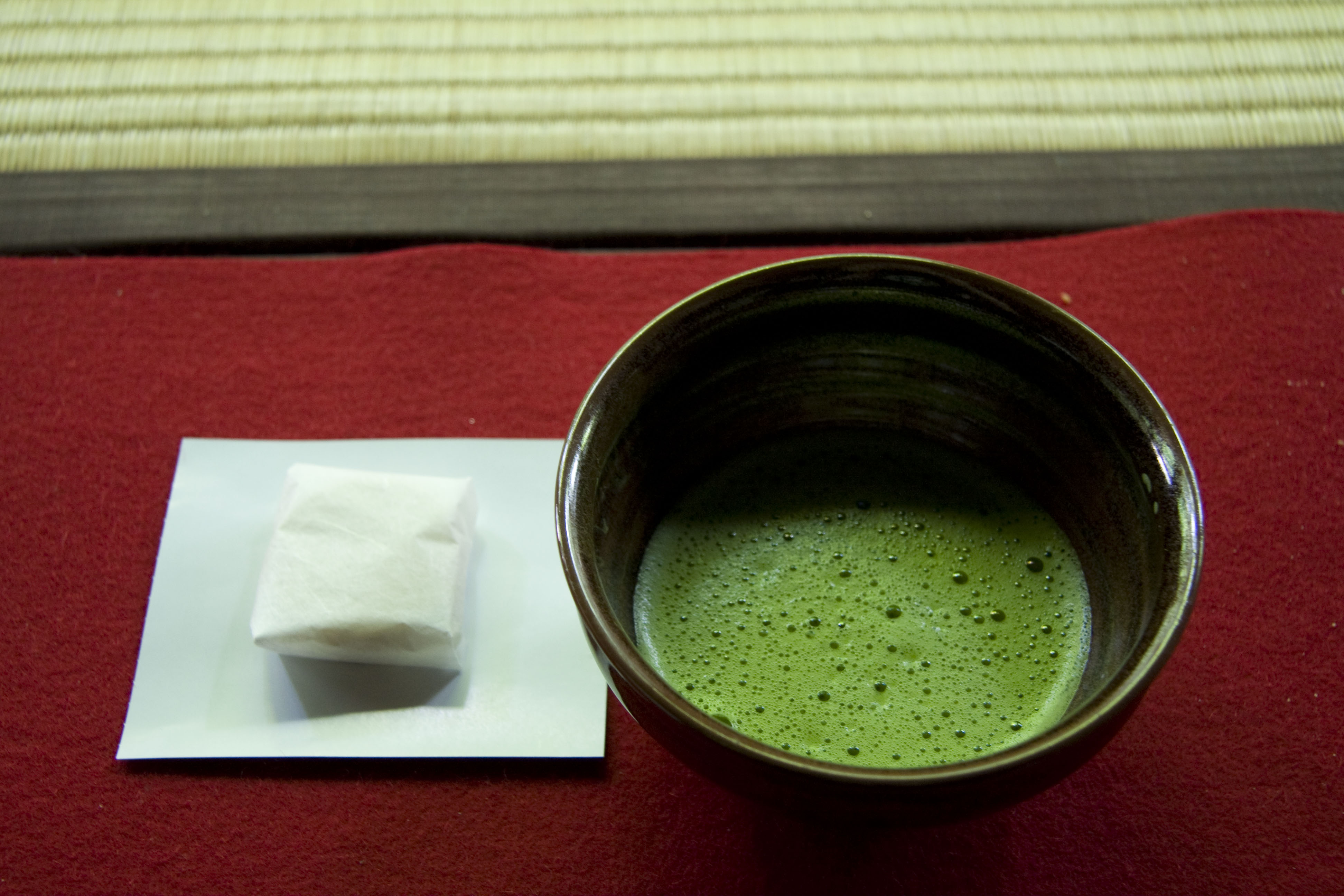
お茶 (Ocha)co - ocha (お茶) means tea, specifically green tea in everyday usage. Ochaco Uraraka from My Hero Academia starts with ocha. Tea is one of the most common words in Japanese daily life - ocha wo nomu (drink tea), ocha no jikan (tea time). Every time someone offers tea in an anime, this is the word.
ちび (Chibi)usa = small, tiny, little one. You probably already know this word from anime fandom - chibi art style, chibi figures, chibi characters. What you might not know is that it is straightforward everyday Japanese. People use chibi affectionately for small children, small pets, and short friends. Chibiusa from Sailor Moon means "little Usagi" - the small version of her mother. It is already in your vocabulary. Now you know where it comes from.
忍 (Shinobu) = to endure, to conceal, to move without being detected. Shinobu Kocho, the Insect Hashira from Demon Slayer, carries this word in her name. Here is why it matters beyond her character: shinobu is the direct root of both shinobi (忍び, a covert agent who endures and conceals) and ninja (忍者, literally "enduring person"). The word you use when you talk about ninja - that word is shinobu. Once you know it, "ninja" stops being a foreign borrowed word and becomes something you can actually read and understand.
守る (Mamoru) = to protect, to guard, to defend. Mamoru Chiba from Sailor Moon - Tuxedo Mask - is named Protect. It is also a very common Japanese verb that shows up in everyday speech, in song lyrics, and in character names across dozens of series. You hear it every time someone promises to keep someone safe.
Vocabulary Callout
| Kanji | Romaji | Meaning | Character |
|---|---|---|---|
| 赤 | aka | red | Akainu (One Piece) |
| 青 | ao | blue / green | Aokiji (One Piece) |
| 黄 | ki | yellow | Kizaru (One Piece) |
| 白 | shiro | white | Shirohige/Whitebeard (One Piece) |
| 黒 | kuro | black | Kurohige/Blackbeard (One Piece) |
| 緑 | midori | green | Midoriya (My Hero Academia) |
| 波 | nami | wave | Nami (One Piece) |
| 嘘 | uso | lie | Usopp (One Piece) |
| 雷 | kaminari | thunder | Kaminari (My Hero Academia) |
| うさぎ | usagi | rabbit | Usagi Tsukino (Sailor Moon) |
| 蛍 | hotaru | firefly | Hotaru (Sailor Moon) |
| お茶 | ocha | tea | Ochaco (My Hero Academia) |
| ちび | chibi | small / tiny | Chibiusa (Sailor Moon) |
| 忍 | shinobu | endure / conceal | Shinobu (Demon Slayer) |
| 守る | mamoru | to protect | Mamoru (Sailor Moon) |
Combined with Part 1: you now have 28 Japanese vocabulary words, each with a face attached. Colors, animals, nature, food, everyday verbs. This is not an exhaustive list - there are dozens more across every major franchise.
Why This Matters for Your Japanese
The color section alone is worth the read. Aka, ao, ki, shiro, kuro, midori - six color words that every beginner needs, each with a character you have been watching for years as the mnemonic. Colors are vocabulary you use every day: in descriptions, in directions, in shopping, in weather. Getting them from Akainu and Kurohige makes them impossible to forget.
The deeper pattern is the same as Part 1: Japanese writers encode real vocabulary into their characters from the start. A navigator named Wave. A liar named Lie. A thunder-user named Thunder. An endurance-based fighter named Endure. The names are not decoration. They are descriptions, written in a language you are learning.
KitsuBeat lessons let you hear these words in the songs attached to the shows. Explore the song library and search for One Piece, My Hero Academia, or Sailor Moon. The vocabulary from this table appears across opening themes, ending themes, and character songs - in context, with melody, voiced by the characters whose names taught you the words.
Browse the full Journal for more - including Part 1 of this series, the kanji on Gaara's forehead, and the mythology behind Magikarp's evolution into Gyarados.
FAQ
What does Nami's name mean in Japanese?
Nami (波) means wave in Japanese. The name IS the word - if you looked up wave in a Japanese dictionary you would find nami. Eiichiro Oda named the Straw Hat navigator after waves, and The Great Wave off Kanagawa (神奈川沖浪裏, Kanagawa-oki nami-ura) uses the exact same character. Nami = wave is one of the most useful words in the Japanese language.
What do the One Piece admiral names mean in Japanese?
The three Marine admirals are each named with a color plus an animal. Akainu (赤犬) = red (aka) + dog (inu). Aokiji (青雉) = blue/green (ao) + pheasant (kiji). Kizaru (黄猿) = yellow (ki) + monkey (saru). Together with Whitebeard (shiro = white) and Blackbeard (kuro = black), One Piece teaches you five of the six basic Japanese color words.
What does Usopp's name mean in Japanese?
Usopp's name starts with uso (嘘), which means lie in Japanese. He is the Straw Hat crew's compulsive liar and tall-tale teller, literally named Lie. Uso is a very common word in daily Japanese - uso! (嘘!) is what people say when they hear something unbelievable, like English "no way!" or "you're kidding!"
What does Kaminari mean in Japanese?
Kaminari (雷) means thunder. Kaminari Denki from My Hero Academia is literally named Thunder, which matches his electricity quirk perfectly. The word is ancient - Raijin, the Shinto god of thunder depicted in famous byobu paintings, carries the same kaminari concept. Once you know this word, you will hear it in every storm scene and weather forecast in anime.
What does Usagi mean in Japanese?
Usagi (うさぎ) means rabbit. Sailor Moon's real name is Usagi Tsukino - rabbit of the moon. This is not an accident: in Japanese folklore the figure seen in the moon is a rabbit pounding mochi, not a man. Usagi Tsukino is the moon rabbit given human form. The word usagi is one of the first animal words you encounter in Japanese.
What does chibi mean in Japanese?
Chibi (ちび) means small, tiny, or little one. It is used affectionately for children, small animals, or short characters. Chibiusa from Sailor Moon means "little rabbit" or "small Usagi." The word chibi is already well-known in English-speaking anime fandom - chibi art style, chibi figures - and it comes directly from everyday Japanese.
What does Shinobu mean in Japanese and what does it have to do with ninja?
Shinobu (忍) means to endure, to conceal, or to move in secret. It is the root word of both shinobi (忍び, a stealth agent) and ninja (忍者, literally "enduring person"). The Insect Hashira Shinobu Kocho from Demon Slayer carries the same character in her name. When you know shinobu means endure and conceal, the word ninja stops being a foreign word and becomes something you can read.