
You've Been Speaking Japanese This Whole Time
Picture this: you're watching Demon Slayer, a character reaches for a drink, and the word that comes out is miruku. You pause. That's... milk. And suddenly you realize - you understood a Japanese word you'd never studied.
Here's the thing - that was not a coincidence, and it is not going to stop there. Japanese has borrowed somewhere between 10,000 and 30,000 words from English and writes every single one of them in a special alphabet called katakana. Once you know katakana (46 characters, learnable in a weekend), you unlock a vocabulary that is basically already yours.
The word for coffee is koohii. Television is terebi. Game is geemu. Smartphone is sumaho. You already know all of these. You just haven't seen them written out yet.
Key Takeaways
- Japanese has a writing system called katakana used almost exclusively for foreign loanwords
- Thousands of everyday Japanese words are borrowed directly from English - they just sound slightly different
- Words like miruku (milk), koohii (coffee), and geemu (game) are standard, everyday Japanese vocabulary
- Katakana has 46 characters and most learners can read all of them within a few days
- The pronunciation shifts follow simple rules: every consonant must be followed by a vowel
- Learning katakana is one of the highest-ROI moves you can make as a beginner - instant vocabulary, immediate payoff
What Is Katakana?
Japanese actually uses three writing systems simultaneously. Kanji (漢字) are the complex characters borrowed from Chinese - the ones that look like small pictures, like 愛 (love) or 剣 (sword). Hiragana (ひらがな) is the rounded, cursive-looking alphabet used for native Japanese words and grammar. And then there is katakana (カタカナ), which looks sharper and more angular - and its main job is to write foreign words.
When Japan encounters a word from another language, it does not adopt the spelling. It converts the word into Japanese sounds and writes those sounds in katakana. Milk becomes miruku. Coffee becomes koohii. Television becomes terebi. The meaning is identical to the English original - only the sounds have been adapted.
Katakana has exactly 46 base characters, one for each sound in the Japanese phonetic system. That sounds like a lot, but compare it to kanji - Japanese students are expected to learn 2,136 official kanji just for basic literacy. Katakana is learnable in a long weekend.
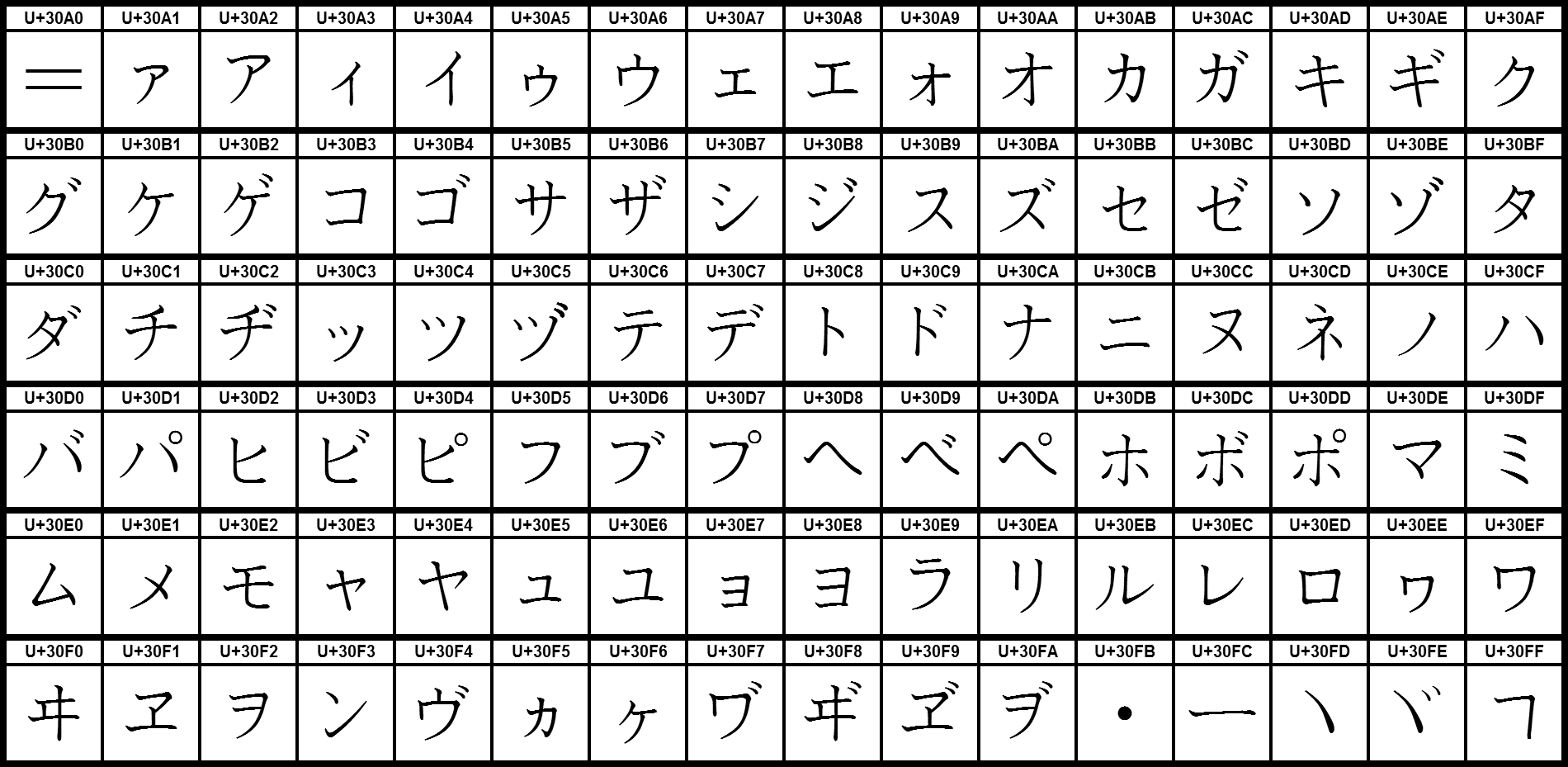
20 English Words You Already Know in Japanese
Every one of these is standard, everyday Japanese - not slang, not formal, not rare. You would see these on convenience store shelves, restaurant menus, product packaging, and you would hear them constantly in anime and J-drama.
| Katakana | Romaji | English Origin | What Changes |
|---|---|---|---|
| ミルク | miruku | milk | Vowel added after l: mi-ru-ku |
| コーヒー | koohii | coffee | Long vowels marked with the ー symbol |
| テレビ | terebi | television | Shortened and adapted |
| バス | basu | bus | Final consonant gets a u: ba-su |
| タクシー | takushii | taxi | The x sound becomes ku: ta-ku-shii |
| ホテル | hoteru | hotel | Almost identical - ho-te-ru |
| ハンバーガー | hanbaagaa | hamburger | Ham becomes han, burger becomes baagaa |
| ピザ | piza | pizza | One syllable shorter than English |
| チョコレート | chokoreeto | chocolate | The -late becomes -reeto |
| アイスクリーム | aisu kuriimu | ice cream | Two words, both recognizable |
| ゲーム | geemu | game | Long e sound: gee-mu |
| カメラ | kamera | camera | Virtually unchanged |
| インターネット | intaanetto | internet | Net becomes netto |
| スマホ | sumaho | smartphone | Compressed from sumaatofo-n |
| パソコン | pasokon | personal computer | Portmanteau: paso + kon |
| ソファ | sofa | sofa | Direct borrowing |
| スーパー | suupaa | supermarket | Shortened to just "super" |
| ジュース | juusu | juice | Final s gets a u: ju-u-su |
| トイレ | toire | toilet | The polite word for bathroom in Japan |
| アイドル | aidoru | idol | Pop idol culture is huge in Japan |
Notice the pattern: Japanese sounds almost never end on a consonant, so a vowel gets added. Game already ends in a vowel, so it becomes geemu cleanly. Bus ends in a consonant, so a u gets added: ba-su. Once you internalize this rule, you can reverse-engineer katakana words from English almost automatically.
Why the Pronunciation Sounds Different
Japanese has one strict rule: almost every consonant must be followed by a vowel. The only exception is n (ん). This is why milk becomes mi-ru-ku instead of just mirk, and why bus gets that extra u at the end.
A few specific sound shifts happen all the time, and they're consistent:
- v does not exist in standard Japanese, so it becomes b: violin becomes baiorin
- l does not exist, so it becomes r: milk becomes miruku, hotel becomes hoteru
- th does not exist, so it becomes s or z: three becomes surii
- Final consonants get a vowel added, almost always u: bus becomes basu, net becomes netto
- Long vowel sounds get the katakana long-vowel mark ー: coffee becomes koohii, taxi becomes takushii
Once you know these rules, you can actually predict how an English word will sound in Japanese before you've heard it. Internet - in-ta-a-ne-tto = intaanetto. Chocolate - cho-ko-re-e-to = chokoreeto. It's a puzzle that you already have most of the pieces for.

The Bigger Picture: a 10,000-Word Head Start
This is the part most Japanese textbooks skip past in the first chapter. Most beginner courses spend months drilling basic vocabulary before mentioning that a huge chunk of everyday Japanese is already English. But katakana loanwords are exactly the words you should learn first, because you already know the meaning.
The linguistic term for these borrowed words is gairaigo (外来語), literally "words that came from outside." They show up constantly in modern Japanese: in everyday conversation, in anime, in product names, in J-pop lyrics. A Tokyo resident's daily speech is roughly 15-25% gairaigo. Characters in Naruto talk about ramen (ラーメン). Characters in Dragon Ball use kapseru (カプセル, capsule) technology. The Demon Slayer corps carries guraindo sutoonn (グラインドストーン, grindstone).
And here's what makes katakana such a high-leverage skill: learning 46 characters does not just teach you 20 words. It unlocks a pattern you can apply to thousands of words you already know. Any English word Japan has borrowed - and it has borrowed a lot - becomes immediately readable once you know the alphabet.
Learn Hiragana and Katakana Free on KitsuBeat
KitsuBeat teaches both hiragana and katakana completely free through the kana learning path. The approach is the same one the whole platform uses: learn through real Japanese music and content, so the characters stick because you've seen them in context - not just drilled on a flashcard grid.
Forty-six characters. That's the entire barrier between you and reading ミルク on a convenience store fridge, コーヒー on a cafe menu, or ゲーム in a Dragon Ball subtitle. Start there, and an enormous chunk of modern Japanese becomes immediately readable.
After kana, explore the KitsuBeat song library - you'll start spotting gairaigo in J-pop lyrics almost immediately, and every one you recognize is a word you didn't have to study.
Browse more language deep-dives in the KitsuBeat Journal.
FAQ
What is katakana used for in Japanese?
Katakana is one of Japan's three writing systems and its main job is to write foreign loanwords. When Japanese borrows a word from English, French, German, or any other language, it is usually written in katakana. It is also used for emphasis, sound effects in manga, foreign names, and scientific terms like plant and animal names.
How many English loanwords are in Japanese?
Estimates vary, but Japanese has somewhere between 10,000 and 30,000 words borrowed from English. Because Japanese phonology only allows consonant-vowel combinations, the pronunciation changes slightly - but if you know the source English word and train your ear, these borrowed words become instantly recognizable.
What does miruku mean in Japanese?
Miruku (ミルク) is the Japanese loanword for milk, borrowed directly from English and written in katakana. You will see it on milk cartons, in cafe menus, and in recipes across Japan. It is pronounced mee-roo-koo, with each mora (syllable unit) given equal length.
Is katakana hard to learn?
Katakana has 46 base characters and most learners can recognize all of them within a few days of focused practice. The characters look more angular than hiragana, which makes them visually distinct. Because so many katakana words are borrowed from English, you get instant vocabulary rewards the moment you learn to read it.
What is the difference between hiragana and katakana?
Hiragana and katakana both represent the same 46 sounds in Japanese but use different character shapes. Hiragana is rounder and cursive-looking - it is used for native Japanese words and grammatical particles. Katakana is sharper and more angular - it is used primarily for foreign loanwords, foreign names, and emphasis. Think of katakana as Japan's way of putting a word in italics to signal it came from outside.
Can you understand anime better if you learn katakana?
Yes, and faster than most beginners expect. A huge portion of modern anime dialogue - especially anything set in the present day - uses katakana words borrowed from English. Characters ordering coffee (koohii), using a smartphone (sumaho), playing a game (geemu), or going to a hotel (hoteru) are all using English loanwords you already know. Learning katakana unlocks this vocabulary instantly.
What is gairaigo in Japanese?
外来語 (gairaigo) means foreign-origin words — 外 means outside, 来 means to come, 語 means word or language. Japanese borrows from English, Dutch, French, and Portuguese, writing loanwords in カタカナ (katakana). Common examples: コーヒー (koohii, coffee), テレビ (terebi, TV), ゲーム (geemu, game).